

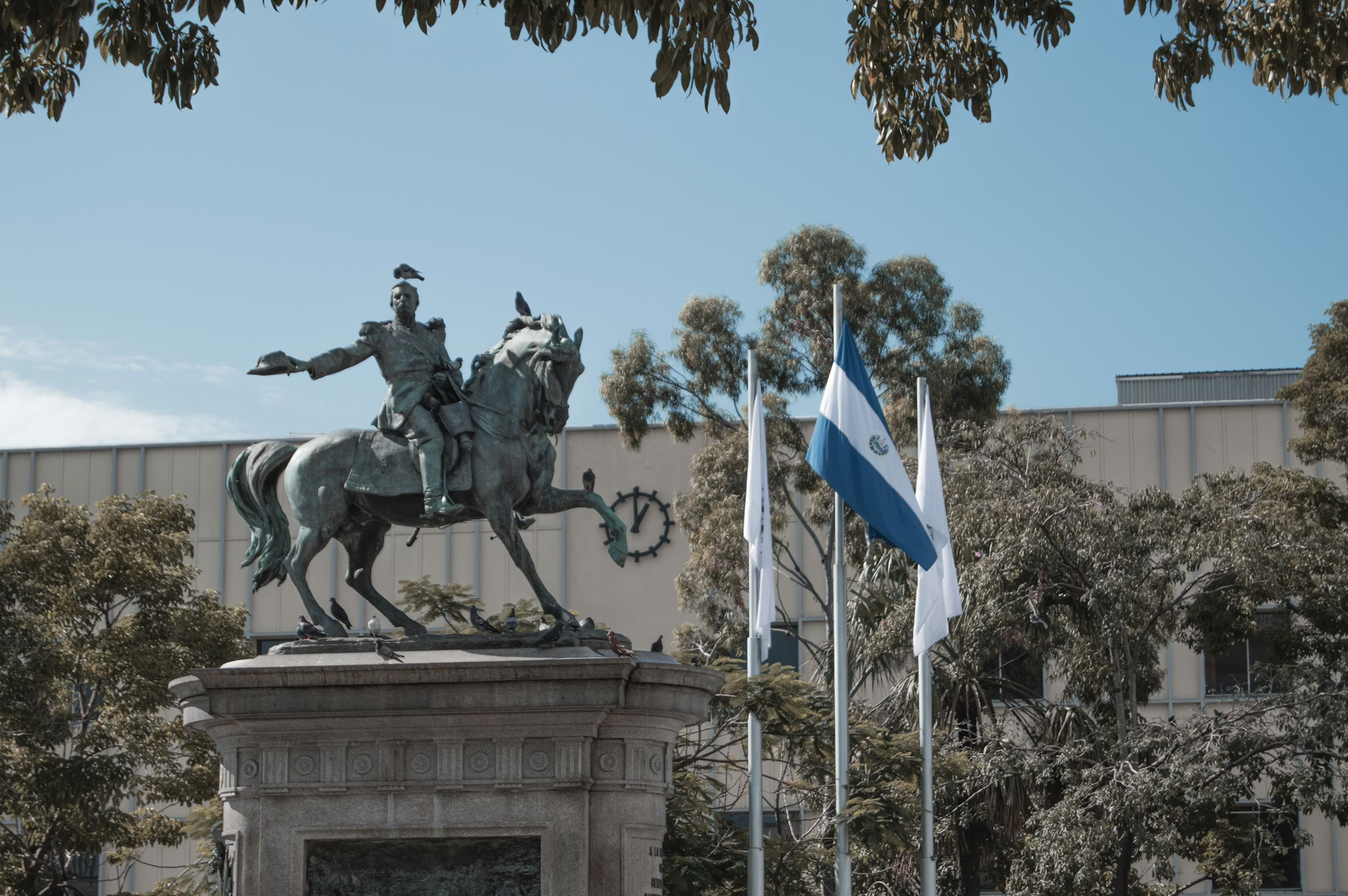
As I walked through the streets of San Salvador during the summer of 2024, I noticed a change in the country I thought I once knew. For the first time, we were not worried about being out after dark. Construction lined the city nearly everywhere we went, with new skyrise apartments that felt out of place in the Salvadoran scenery. Yet, despite these stark changes, many old shadows lingered, such as the poverty and unease that had become commonplace.
Nayib Bukele’s presidency sparked hope in the Salvadoran people for a new era free of corruption and brutality. After decades of war and gang violence, the people were now able to walk the streets without fear of death and violence. However, a new era of oppression has simultaneously settled in. Bukele is becoming more than just the “world’s coolest dictator.” He has become an authoritarian figure, abusing his position to enrich his status and wealth.
Bukele is known for his crackdown on gangs in El Salvador. With a three-year state of emergency and a record-breaking 111,000 detainees imprisoned this year, El Salvador has one of the lowest homicide rates in the Americas and the highest incarceration rate in the world. Although this takeover was domestically popular, it faced harsh criticism from prominent advocacy organizations, citing human rights violations and abuses.
After winning reelection in 2024, despite a constitutional ban on consecutive terms, Bukele used the state of emergency–first enacted in 2022 to begin the crackdown on gangs – to suspend civil rights in an advantageous way. With the power of his party, Nuevas Ideas, which holds a supermajority in the Legislative Assembly after wins in the 2021 election, El Salvador’s constitution was amended to allow Bukele to run indefinitely with the potential to become president for life. They also took swift action in dismissing Supreme Court judges and the attorney general, stacking the top courts with judges in Bukele’s favor. Bukele has consolidated power in all branches of government, with few checks and balances remaining.
Despite these abuses of power, Bukele remains a popular figure. During my time in El Salvador, I saw stores filled with Bukele merchandise, corroborating his consistent approval rating above 80% since taking office. People undoubtedly love him, so if they approve, what’s wrong with Bukele’s actions? While I do not doubt Bukele cares for Salvadorans, I also do not doubt he cares for his own ego and status.
Bukele’s misuse of authority comes at the expense of the most vulnerable Salvadorans. Those who live in extreme poverty in El Salvador have increased during Bukele’s first five years as president, from 5.5% to 9.6%. That’s almost 1 in 10 Salvadorans who are living in the most severe form of poverty, one where they are deprived of the most basic of human needs, such as food and potable water. Additionally, the amount of Salvadorans living in poverty, a lack of resources to acquire a basic standard of living, increased from 26.8% in 2019 to 30.3% in 2023.
While Salvadorans are struggling to get food on their tables, Bukele has enriched himself and his family, tailoring his economic strategies to appease foreign investors to fuel tourism and real estate growth in the country. The Bukeles have amassed millions of dollars in real estate in recent years, including a $1 million beach plot, despite a Salvadoran prohibition on the privatization of beaches.
Not only that, he has fueled sketchy economic deals to support his projects, with no clear benefit to the average Salvadoran. Take, for instance, Bukele’s initiative to make Bitcoin a legal tender in El Salvador. The proposed objective of this deal was to bolster the economy and generate job opportunities. However, it did not yield the expected results, leading the International Monetary Fund to request that El Salvador stop government Bitcoin purchases. This plan was clearly catered to tourists and foreign crypto investors, who viewed Bukele as a visionary bringing El Salvador a technology-driven future. In contrast, the average Salvadoran has limited knowledge of cryptocurrencies, making them unlikely to invest in them.
Tourism now accounts for 14% of Salvadoran GDP, and it has come at the cost of dispossessing low-income residents from their homes. Nationwide, businesses are buying up occupied land, privatizing it, and forcing residents to legalize their properties and buy them at prices they cannot afford. This has led low-income residents to abandon homes they had lived in for decades. Since businesses have legal rights to the land, residents do not have a means to fight back in court. This situation has been accelerated by the state of exception, which stripped citizens of their constitutional protections, leaving them with limited power to resist their dispossession. As such, the economic benefits of tourism and housing projects are not going to those who need them the most.
In fact, these projects are accelerating the environmental crisis in El Salvador. El Salvador was the first country to ban metal mining in 2017, but Bukele repealed this decision in late 2024, arguing it would increase revenue to fund his infrastructure projects. This has allowed private companies to buy up properties around recently opened mining sites, giving the government access to gold mines that could generate wealth. These mining sites need millions of liters of water to operate and risk cyanide and arsenic contamination of nearby community water reservoirs. Not to mention, El Salvador faces the worst water crisis in Central America, with 66% of the territory “exposed to high or severe drought risk,” according to the World Bank. This puts those living in extreme poverty at even greater risk of losing access to potable water.
These changes garnered backlash from activists and protesters. However, in true authoritarian fashion, the Bukele administration responded by repressing free speech. Bukele’s government passed the Foreign Agents Law, giving the government more leeway to control domestic organizations and further consolidating and strengthening Bukele’s authority. This restricted the freedom of many non-profits and journalist associations, leading multiple organizations to flee the country in fear of further reprisals. In addition to these attacks, lawyers and activists, including Ruth López, who is internationally recognized for her legal work against corruption, have been detained for being perceived as enemies of the administration’s rule. Despite fighting back in protests, many Salvadorans have cited fears of government retribution, illustrating how the government has quelled dissent.
Do not get me wrong. The Salvadoran people deserve to celebrate a life free from terror and violence. However, they also deserve to take full advantage of the land they call home, enjoying a reasonable standard of living. The Salvadoran people may be walking on safe streets, but they are still not living in a country with a government that works for them.
El Salvador is a beautiful country with a citizenry that has survived civil war, gang violence, destructive earthquakes, and numerous corrupt governments. They put their faith in a leader who promised to reverse the country’s misfortune. Unfortunately, this goodwill has been taken advantage of, pushed to benefit Bukele and the elites and bureaucrats who have profited from El Salvador’s poorest. The Salvadoran people deserve a permanent change for the better before they reach a state of total authoritarian rule. While El Salvador may be safer than ever, true peace will only come when freedom and prosperity walk those same streets.